Introduction
The way businesses design, present, and sell products has changed significantly with the rise of interactive digital tools. One of the most important among them is the 3D configurator, a solution that allows users to visualize, personalize, and interact with products in real-time.
From furniture and fashion to complex industrial equipment, these tools make it possible for customers to explore options before making a decision. Technologies such as 3D-Rendering-Software mit deutscher Benutzeroberfläche have made these experiences accessible to wider audiences by ensuring usability in local markets.
As a result, configurators are no longer niche tools; they are becoming essential across multiple industries.
What Is a 3D Configurator?
A 3D configurator is a software application that allows users to create or adjust product variations using a three-dimensional model. Unlike traditional product catalogs or static images, configurators provide a dynamic, interactive model that can be rotated, zoomed, and customized.
Core Features
- Visualization: Users see a 3D representation of the product.
- Customization: Options such as size, color, material, and additional features can be changed.
- Instant Feedback: Changes appear immediately, giving users clarity.
- Integration: Many configurators link to sales or production systems for smooth workflows.
Why Do 3D Configurators Matter?
3D configurators respond to a modern demand: personalization. Today’s buyers want more control over what they purchase and expect clear, accurate information before committing.
Customer Perspective
- Ability to see exactly what the final product will look like.
- Fewer surprises after purchase, reducing dissatisfaction.
- Confidence in complex or expensive buying decisions.
Business Perspective
- Reduced communication errors between customer and manufacturer.
- Shorter sales cycles through automation.
- Lower costs due to fewer product returns and misorders.
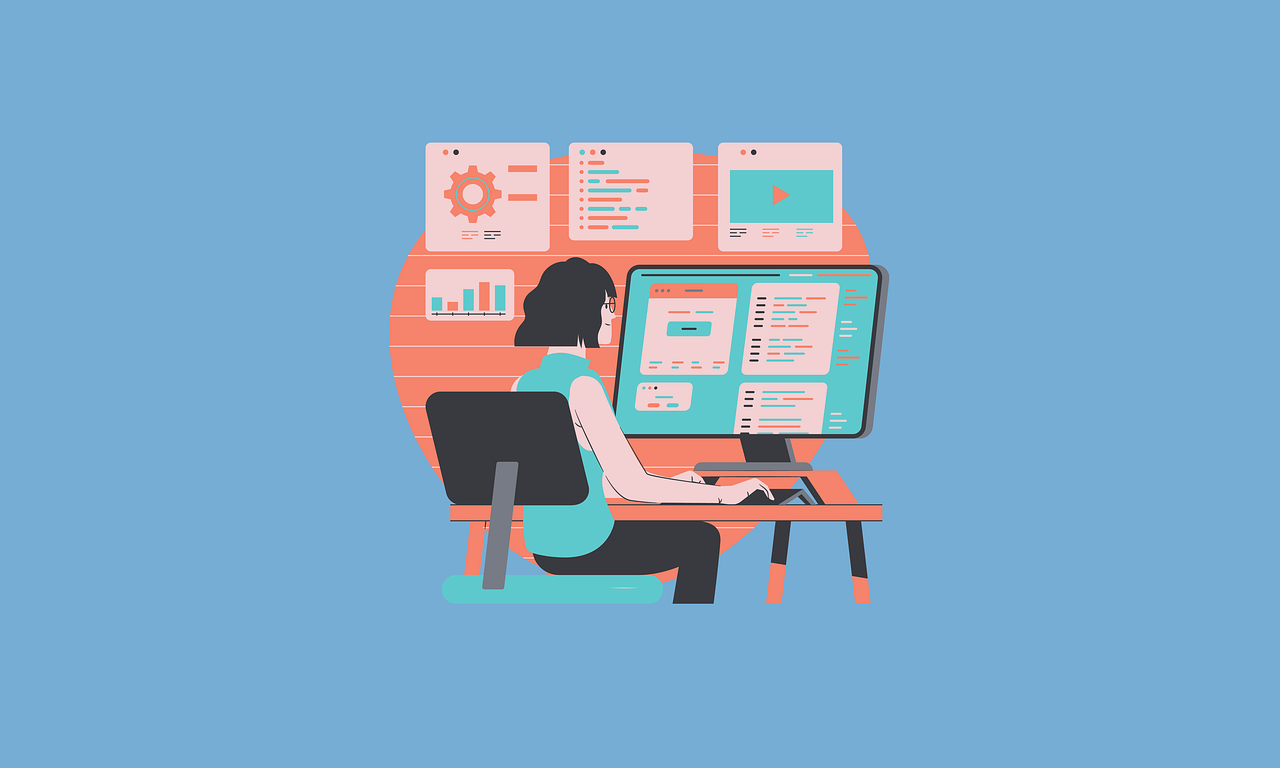
Software for rendering / (c) pixabay.com
The Evolution of Product Visualization
Product visualization has developed in several important stages, each reflecting the progress of technology and customer expectations.
- Static Images: In the early days of online catalogs, businesses relied on static product images. These pictures showed only one angle and often failed to capture the details that customers wanted to see.
As a result, buyers had to make decisions without a full understanding of the product, which sometimes led to confusion or disappointment.
- 2D Customization Tools: As technology advanced, companies introduced 2D customization options. These tools allowed customers to change colors, patterns, or sizes, but they were still limited.
The lack of depth and realism meant that customers could not fully imagine how the product would look in real life. While it was a step forward, it still left a gap between customer expectations and actual outcomes.
- 3D Configurators: The latest stage in this evolution is the 3D configurator. Unlike previous methods, these tools offer an interactive and realistic experience. Customers can rotate products, zoom in on details, and adjust multiple features in real time.
The responsiveness of 3D models creates a level of transparency that was previously missing, helping customers feel more confident in their choices.
This progression highlights a broader trend: technology is continually adapting to make decision-making clearer and more reliable. With every step, visualization tools have moved closer to bridging the gap between imagination and reality, giving both customers and businesses greater certainty in the buying process.
Types of 3D Configurators
- E-Commerce Configurators
Used by online stores to let customers customize products such as clothing, electronics, or home décor.
- Industrial Configurators
Applied in sectors like manufacturing and machinery, where specifications need to meet technical standards.
- Automotive Configurators
Popular in car sales, allowing customers to select trims, colors, and features before visiting a dealership.
- Furniture and Interior Configurators
Enables visualization of different sizes, finishes, and layouts to fit home or office spaces.
How 3D Configurators Work
At their core, configurators combine three elements:
- 3D Models: Digital representations of products built with rendering software.
- Rules Engine: Ensures that product combinations are valid.
- User Interface: Provides an easy way for customers to interact with the configurator.
Some configurators are web-based and run in a browser, while others are integrated into enterprise systems like CPQ (Configure, Price, Quote).
Benefits of 3D Configurators
Better Decision-Making
Customers can make informed choices when they see realistic previews.
Increased Engagement
Interactive models keep users exploring longer, which often leads to higher conversions.
Error Reduction
By applying product rules, configurators prevent customers from choosing incompatible options.
Efficiency for Businesses
Sales teams save time because product details and pricing are automated.
Competitive Advantage
Companies offering configurators often stand out in crowded markets.
Challenges of Implementing 3D Configurators
Cost of Development
High-quality configurators require investment in 3D modeling, rendering, and integration.
Complexity of Data
Accurate configurators depend on up-to-date product data. Outdated information can cause errors.
User Training
Although designed for simplicity, some tools still require learning.
Technical Requirements
For smooth performance, configurators must be optimized to run on multiple devices without lag.
Industries That Benefit Most
Automotive
From car dealerships to luxury manufacturers, configurators allow buyers to design a car that fits their style and budget.
Furniture and Home Décor
Customers can explore fabrics, colors, and sizes to see how items fit into their space.
Fashion and Apparel
Brands use configurators to let shoppers design shoes, clothing, or accessories with unique finishes.
Industrial Manufacturing
Complex machinery can be configured to meet technical specifications without manual errors.
Integration with CPQ Systems
Many businesses combine 3D configurators with CPQ solutions. In this setup:
- The configurator manages product visualization.
- The CPQ system ensures feasibility, calculates price, and generates a quote.
This integration streamlines the sales process and reduces manual tasks.
Future of 3D Configurators
Artificial Intelligence (AI)
AI will allow configurators to suggest product options based on user preferences.
Augmented Reality (AR)
Customers will place digital models in real-world environments using their phones.
Mobile Optimization
Configurators will increasingly be designed for mobile-first users.
Sustainability Insights
Future tools may show the environmental impact of different product choices.
Practical Considerations for Businesses
- Start Simple: Begin with a limited range of configurable products.
- Ensure Data Accuracy: Keep product details updated to avoid errors.
- Focus on Usability: A clean interface ensures customers actually use the tool.
- Plan for Scalability: As product catalogs grow, the configurator should adapt.
Conclusion
3D configurators have transformed how products are designed, presented, and sold. They provide transparency, reduce errors, and empower customers to create personalized versions of what they want to buy. While there are challenges in cost and complexity, the long-term benefits in customer satisfaction and operational efficiency are clear.
As technology advances through AI, AR, and mobile-first development, 3D configurators will become even more integrated into daily business operations. For both customers and companies, they represent a step toward clarity, collaboration, and more confident decision-making.
Source / Pics: (c) JK_Studio
Ähnliche Beiträge:
 Life Cycle Workshop für nachhaltiges Wirtschaften
 Blockchance Conference Hamburg 2019 – “The Future of Social Economics”
 Trendscouts werfen einen Blick auf die Welt von morgen
 Sicherheitsrisiko WhatsApp: Hackerangriffe auf Smartphones nehmen stark zu
 Corona-Virus: Wie können Firmen Home Office am einfachsten umsetzen?
 „Trendmonitor Deutschland“: Image, Trends und Potentiale von 5G und Mobile Internet
 Hygiene und Kapazitäten in Bars: Neue App versucht Bars und Kneipen zu retten
 Hamburger HPI-Studentin macht tragbare Sensoren für medizinische Studien nutzbar